
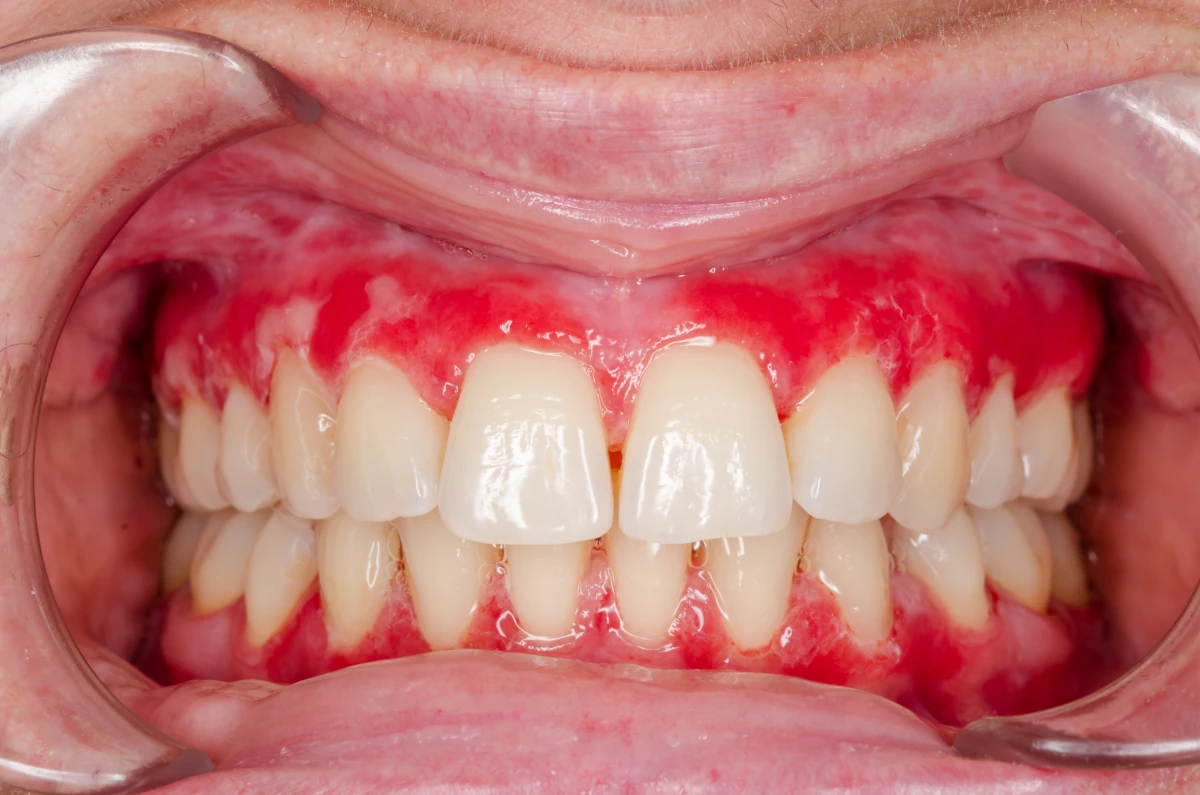
Oral lichen planus is a chronic inflammatory condition that affects the mucous membranes inside your mouth, creating distinctive white, lacy patches or painful sores on the gums, tongue, and inner cheek surfaces. While lichen planus can appear on various parts of your body, including the skin, scalp, and genitals, oral lichen planus specifically targets the tissue lining the mouth and can significantly impact your quality of life. Understanding the symptoms and causes of this condition is crucial for proper management and maintaining optimal dental health. At Laser Smile Solutions, serving patients throughout NYC, NJ, Long Island, and Westchester, our experienced team specializes in diagnosing and managing oral lichen planus to help you achieve lasting comfort and oral wellness.
What Is Oral Lichen Planus and Who Does It Affect?
Oral lichen planus is an inflammatory condition that affects the mucosa and lining of the mouth, occurring when the immune system mistakenly attacks cells in the oral mucous membranes. Lichen planus is a chronic disease that can persist for years, with periods of flare-up and remission. While the exact cause remains unclear, researchers believe it involves an abnormal immune response in which white blood cells and immune cells target oral tissues, leading to inflammation and characteristic lesion formation.
This condition primarily affects adults, with most cases appearing after age 50, though it can occur at any age. Women are more commonly affected than men, and the condition that causes these oral changes is not contagious, meaning it cannot be spread from person to person. Oral lichen planus often appears in the mouth, but the same process may occur on other mucous membranes, including the esophagus and genitalia, as well as on the skin, where it manifests as an itchy rash.
The condition affects approximately 1-2% of the population and is considered an autoimmune or immune-mediated disorder. When someone develops lichen planus, their immune system becomes hyperactive in certain areas, leading to chronic inflammation. Understanding that planus is a chronic disease helps patients and healthcare providers develop appropriate long-term management strategies rather than expecting a quick cure.
What Are the Symptoms and Causes of Oral Lichen Planus?
The symptoms of oral lichen planus can vary significantly depending on the form of the condition present. Many patients experience white patches or lacy, thread-like patterns on the inside of their cheeks, gums, tongue, or other areas inside the mouth. These distinctive white, lacy patches are often the first noticeable sign. Some individuals may not experience discomfort with these changes, while others develop painful sores, redness, and sensitivity that can make eating, drinking, and speaking uncomfortable.
Common lichen planus symptoms include burning sensations in the mouth, particularly when consuming spicy foods, acidic beverages, or salty items. Some patients develop erosive lesions that appear as bright red, sore areas where the lining has broken down. These erosive forms can be quite painful and may bleed easily when irritated. The gum tissue may become inflamed and tender, affecting dental hygiene practices and overall oral comfort.
The symptoms and causes of oral lichen planus are interconnected but not entirely understood. While researchers continue to study why some people develop this condition, several factors appear to play a role. The immune response seems to be the primary mechanism, with the body’s immune system attacking its own oral tissues. Certain medicines, including some blood pressure medications and nonsteroidal anti-inflammatory drugs, can trigger or worsen lichen planus in susceptible individuals. Genetics may also contribute, as the condition sometimes runs in families, suggesting a hereditary component related to immunity.
Additional potential triggers include viral infections, particularly hepatitis C, which has been associated with oral lichen planus in some studies. Stress and anxiety may contribute to flare-ups, though more research is needed to fully understand this connection. Some dental materials, such as amalgam fillings, have been suggested as possible triggers in rare cases, though this remains controversial among medical professionals.

What Are the Different Types of Oral Lichen Planus?
Understanding the various presentations of oral lichen planus helps patients and their care providers develop appropriate treatment strategies. The two primary categories are reticular and erosive forms, though other variations exist. Reticular oral lichen planus is the most common type and typically presents as white, lacy patterns or thread-like lines across the oral mucosa. These lacy patches often appear on the inside of the cheeks, tongue, and gums. Many people with reticular oral lichen planus may not need treatment if they experience minimal discomfort, though monitoring is important.
Erosive oral lichen planus represents a more severe form that creates painful, red, ulcerated areas in the mouth. This erosive variant can significantly affect quality of life due to persistent pain and sensitivity. Patients with erosive oral lichen planus often struggle with eating certain foods and maintaining proper oral hygiene, and may experience bleeding from the affected tissues. This form typically requires more aggressive management to ease your symptoms and prevent complications.
Other less common presentations include plaque-like oral lichen planus, which appears as raised white patches similar to leukoplakia, and bullous oral lichen planus, where fluid-filled blisters form before rupturing to create painful sores. Some patients experience mixed patterns, with characteristics of multiple types present simultaneously in different areas of the mouth. The classification helps healthcare providers determine the most appropriate treatment approach and monitoring schedule for each individual case.
How Is Oral Lichen Planus Diagnosed?
To diagnose oral lichen planus, dental professionals and healthcare providers conduct thorough examinations of the mouth and affected areas. The diagnosis begins with a careful visual inspection of the tissue lining the oral cavity, looking for the characteristic white patches, lacy patterns, or erosive lesions typical of the condition. Your care provider will review your medical history, including any medicines you take, as certain medications can cause similar-appearing oral changes.
In many cases, the distinctive appearance of reticular oral lichen planus allows for clinical diagnosis based on examination alone. However, when the presentation is atypical or when there’s concern about other conditions, a biopsy may be performed. This involves removing a small tissue sample from the affected area for microscopic examination. The biopsy helps confirm the diagnosis and rule out other diseases, including oral cancer, leukoplakia, and other conditions that can look like white patches or sores in the mouth.
Additional testing may include blood tests to screen for conditions associated with lichen planus, such as hepatitis C or other immune system disorders. Your dental professional may also photograph the lesions to track changes over time, which is particularly important given that oral lichen planus can slightly increase the risk of oral cancer. This connection means that patients with oral lichen planus need regular monitoring by their healthcare team.
The process to diagnose oral lichen planus may involve consultation between your dentist, dermatologist, and other specialists, particularly if lichen planus affects other parts of your body beyond the mouth. Coordinated care ensures comprehensive evaluation and appropriate management of all manifestations of this chronic condition.
What Treatment Options Are Available for Oral Lichen Planus?
Treatment for oral lichen planus focuses on managing symptoms, reducing inflammation, and preventing complications, as there is currently no cure for this chronic disease. Many patients with mild reticular oral lichen planus may not need treatment if they’re not experiencing discomfort. However, when oral lichen planus causes pain, burning, or difficulty eating, various options can help ease symptoms and improve quality of life.
Topical corticosteroids represent the first-line treatment for symptomatic oral lichen planus. These anti-inflammatory medicines come in various forms, including gels, pastes, or ointments, which can be applied directly to the affected areas. Topical treatments work by reducing the immune response and inflammation in the oral tissues. For more severe cases, your healthcare provider may prescribe stronger topical steroid preparations or systemic corticosteroids taken by mouth as a pill to control widespread inflammation.
Other medicine options include topical immunosuppressants and immune-modulating agents. These work by dampening the abnormal immune response that drives the condition. While not approved by the FDA specifically for oral lichen planus, certain medicines have shown effectiveness in managing symptoms when corticosteroids alone are insufficient. Your care provider may prescribe these medications after careful consideration of potential benefits and risks.
Beyond medication, several supportive measures can help prevent flare-ups and reduce discomfort. Maintaining excellent oral hygiene helps minimize irritation and secondary infections that could worsen symptoms. Patients should avoid spicy, acidic, and salty foods, as these can irritate sensitive oral tissues. Some individuals find that identifying and eliminating specific trigger foods helps reduce their symptoms. Stress management techniques may also be beneficial, as stress can trigger or worsen flare-ups.
For erosive oral lichen planus that doesn’t respond adequately to conventional treatments, advanced options may involve systemic immunosuppressive therapy or other specialized approaches available at dental centers with expertise in managing complex oral conditions. Regular follow-up appointments are essential to monitor treatment response, adjust medications as needed, and screen for any concerning changes in the oral tissues.
Can Oral Lichen Planus Lead to Other Health Concerns?
One of the most important considerations regarding oral lichen planus is its potential association with other health conditions. Research has established that oral lichen planus can lead to a slightly elevated risk of developing oral cancer, particularly in patients with the erosive form. While the absolute risk remains relatively low, this connection underscores the importance of regular dental examinations and close monitoring of any changes in lesion appearance.
The relationship between oral lichen planus and oral cancer appears strongest in cases involving the tongue and gum tissues. Any lesion that changes appearance, increases in size, or develops new characteristics should be promptly evaluated. This is why patients with oral lichen planus need regular surveillance by their dental and medical teams. Early detection of any malignant transformation offers the best opportunity for successful treatment.
Beyond cancer concerns, oral lichen planus may affect overall quality of life through chronic pain and eating difficulties. The erosive variant can cause significant discomfort that impacts nutrition if patients avoid certain foods due to pain. Some individuals with oral lichen planus also experience the condition on other parts of the body, including the skin, where it may cause an itchy rash, or on the genitals, where it can create similar inflammatory changes.
Additionally, oral lichen planus has been associated with various systemic conditions. Studies have found connections between oral lichen planus and hepatitis C infection, though the mechanism remains unclear. Some research suggests possible links to other autoimmune conditions, cardiovascular disease, and diabetes, though these associations require further investigation. The chronic inflammation present in lichen planus may contribute to these broader health concerns, highlighting the importance of comprehensive medical evaluation and management.
What Is the Long-Term Outlook and Prognosis for Oral Lichen Planus?
The prognosis for individuals with oral lichen planus varies considerably depending on the type and severity of the condition. Lichen planus is a chronic disease that typically persists for many years, and patients should understand that complete resolution is uncommon. However, with appropriate management, most individuals can achieve good symptom control and maintain a satisfactory quality of life. The reticular form generally has a more favorable outlook, with many patients experiencing minimal symptoms that may not need treatment beyond monitoring.
For those with erosive oral lichen planus, the prognosis involves managing a more challenging condition that requires ongoing treatment to control symptoms. While flare-ups and periods of remission are common, consistent management strategies can help reduce the frequency and severity of symptomatic episodes. Some patients experience gradual improvement over time, while others have persistent symptoms requiring long-term medication use.
The overall prognosis includes the need for vigilant monitoring due to the slight but real increased risk of oral cancer development. Regular dental examinations allow early detection of concerning changes, significantly improving outcomes if malignancy develops. Most cases of oral lichen planus remain benign throughout the patient’s lifetime, but this surveillance remains an essential component of long-term care.
Factors that may influence prognosis include the patient’s age at onset, the extent of oral involvement, response to initial treatments, and the presence of contributing factors such as smoking or certain medical conditions. Patients who maintain excellent oral hygiene, avoid identified triggers, and adhere to their treatment regimens generally experience better long-term outcomes. While research is needed to fully understand all aspects of this condition and develop more targeted therapies, current treatments can effectively manage symptoms for most individuals.
How Can Lifestyle Modifications Help Manage Oral Lichen Planus?
Beyond medical treatments, several lifestyle modifications can significantly help ease your symptoms and reduce the frequency of flare-ups. Dietary adjustments are among the most impactful changes patients can make. Avoiding spicy foods, acidic beverages such as citrus juices and sodas, and salty snacks helps minimize irritation of sensitive oral tissues. Many patients find that keeping a food diary helps them identify specific trigger foods that worsen their symptoms, enabling more personalized dietary modifications.
Oral hygiene practices require special attention when managing oral lichen planus. Using a soft-bristled toothbrush and a gentle brushing technique protects irritated tissues while maintaining cleanliness. Some patients benefit from switching to toothpastes free of sodium lauryl sulfate, a foaming agent that can irritate sensitive mouths. Regular but gentle flossing helps prevent gum disease and other dental complications that could complicate lichen planus management.
Stress management should be considered a potential trigger for flare-ups. While the exact relationship between stress and oral lichen planus requires additional research, many patients report worsening symptoms during periods of high stress or anxiety. Incorporating stress-reduction techniques such as meditation, regular exercise, adequate sleep, and relaxation practices may help prevent exacerbations of the condition.
Avoiding tobacco products and limiting alcohol consumption also supports better management of oral lichen planus. Both substances can irritate oral tissues and potentially worsen inflammation. For patients taking medicines that may trigger or worsen lichen planus, discussing alternatives with their care provider may be worthwhile, though medication changes should never be made without professional guidance.
Why Choose Laser Smile Solutions for Oral Lichen Planus Care?
At Laser Smile Solutions, we understand the challenges oral lichen planus poses and are committed to providing comprehensive, compassionate care to patients throughout NYC, NJ, Long Island, and Westchester. Our experienced dental team has extensive expertise in diagnosing and managing this chronic inflammatory condition, utilizing the latest evidence-based approaches to help control symptoms and maintain optimal oral health.
We recognize that oral lichen planus affects each patient differently, requiring individualized treatment plans tailored to your specific symptoms, lifestyle, and health goals. Our practice offers thorough examinations to accurately diagnose oral lichen planus and rule out other conditions, ensuring you receive appropriate care from the start. We collaborate with other healthcare providers when needed to coordinate comprehensive management for patients whose lichen planus may involve other parts of their bodies.
Our commitment extends beyond initial diagnosis and treatment to include the ongoing monitoring essential for managing this chronic disease. We provide regular surveillance to track changes in your oral tissues, adjust treatments as needed, and ensure early detection of any concerning developments. Our team stays current with the latest research and treatment advances, offering our patients access to the most effective management strategies available.
We also prioritize patient education, helping you understand your condition, identify potential triggers, and implement lifestyle modifications to prevent flare-ups and reduce symptoms. Our goal is to empower you with the knowledge and tools needed to manage oral lichen planus effectively while maintaining excellent dental health and quality of life.
If you’re experiencing white patches, lacy patterns, painful sores, or other concerning changes inside the mouth, don’t wait to seek evaluation. Early diagnosis and appropriate management of oral lichen planus can significantly improve your comfort and long-term outlook. Schedule a free consultation with Laser Smile Solutions today to discuss your symptoms and explore treatment options. Contact us or call (877) 440-3564 to take the first step toward better oral health and lasting relief from oral lichen planus symptoms. Our dedicated team is here to provide the expert care you deserve.