
The 4 Stages of Gum Disease: Gingivitis to Periodontitis

Gum disease is one of the most common oral health issues worldwide, and it doesn’t develop overnight. It progresses through four stages of gum disease, starting with mild irritation and potentially advancing to severe periodontitis if left untreated. Recognizing these stages is crucial because gum disease can cause more than discomfort—it is the leading cause of tooth loss and can impact overall health. Knowing what healthy gums should look like, the risk factors, and treatment options helps you catch gum disease early and protect long-term gum health.
What Do Healthy Gums Look Like?
Before gum disease begins, healthy gums provide a protective foundation for the teeth. Healthy gums are firm, light pink, and fit snugly around the teeth. They do not bleed during brushing or flossing, and there are no signs of swelling or redness.
Healthy gums also support the teeth by keeping the bone and connective tissue intact. When oral hygiene practices are followed consistently, plaque buildup is minimized, making it less likely to get gum disease. Maintaining proper oral hygiene and regular dental checkups helps ensure gum health and protects overall health and well-being.
What Are the 4 Stages of Gum Disease?
There are four stages of gum disease, each with distinct symptoms and risks. Understanding the stages of periodontal disease is crucial for early detection and effective treatment.
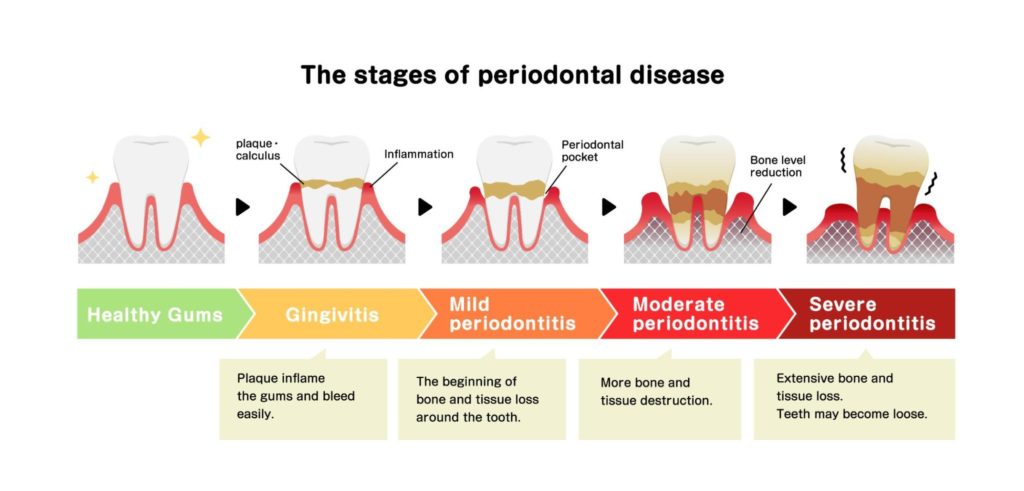
Stage 1: Gingivitis
Stage 2: Early Periodontitis
If gingivitis is left untreated, it can progress into early periodontitis. At this stage of gum disease, plaque hardens into tartar below the gum line, and the tissue around your teeth begins to pull away. Gum recession may occur, and the bone around your teeth may start to weaken. Early periodontitis requires treatment such as scaling and root planing to remove tartar from below the gum and prevent further damage.
Stage 3: Moderate Periodontitis
Stage 4: Advanced Periodontitis
Advanced periodontitis is the severe stage of gum disease. Symptoms of advanced stages include severe gum recession, deep pockets, pus, pain, and teeth that may shift or fall out. Advanced gum disease not only affects the bone supporting the teeth but can also contribute to serious health problems, including heart disease. Advanced periodontal disease often requires surgical treatment and ongoing maintenance to preserve what remains of the teeth and gums.
What Are the Risk Factors for Gum Disease?
Gum disease is caused by bacteria, but certain factors increase the likelihood of developing gum disease. Common risk factors include:
- Poor oral hygiene practices
- Smoking or tobacco use
- Family history of gum disease
- Diabetes and other health conditions
- Stress and weakened immunity
- Certain medications that affect the gum tissue
What Treatments Help Manage Gum Disease?
Treatments vary depending on the stage of gum disease. In the earliest stage of gum disease, gingivitis can be reversed with professional cleaning and proper oral hygiene. As the disease progresses, treatments may include:
- LANAP® (Laser-Assisted New Attachment Procedure) for advanced stages of gum disease, which helps remove diseased tissue while preserving healthy gum tissue and bone
- Scaling and root planing to remove tartar from below the gum
- Medications to control infection
- Surgical procedures for advanced stages of gum disease
- Long-term maintenance with a gum specialist
Why Is It Important to Catch Gum Disease Early?
Detecting gum disease in its earliest stage is the most effective way to protect gum health. Gum disease can cause gum recession and bone loss, ultimately leading to tooth loss if left untreated. Since gum disease is a leading cause of tooth loss among adults, early detection and treatment are crucial.
The link between gum disease and overall health, including heart disease, underscores the importance of treatment. If you notice signs of gum disease, such as bleeding or inflammation of the gums, visit a dentist as soon as possible. Early detection and treatment protect your gums and teeth, as well as your overall health and well-being. If you believe you are experiencing symptoms of gum disease, call (877) 440-3564 to schedule a complimentary consultation with one of our skilled dental professionals.