
Osseous Surgery
Gum Surgery to Treat Gum Disease, Also Known as Pocket Reduction

What is Osseous Surgery?
Osseous surgery is a type of gum surgery designed to treat gum disease and restore oral health when periodontal pockets have formed. When gum disease progresses, it can lead to bone loss and damage to the bone that supports your teeth. If left untreated, severe gum disease can lead to tooth loss.
During this surgical procedure, a periodontist lifts the gum tissue to access the underlying bone and teeth. The goal is to remove bacteria, plaque, and damaged bone, then reshape the bone around the teeth. This makes it easier to maintain good dental hygiene and reduces the risk of disease progression. Osseous surgery helps preserve the bone surrounding the teeth, preventing further damage and supporting long-term dental care.
Understanding Osseous Surgery
Understanding osseous surgery is crucial for patients with advanced gum disease or deep pockets resulting from gum disease. Periodontal disease can destroy the bone around teeth and gums, and even with a professional cleaning by a hygienist, deep periodontal pockets may persist. Osseous surgery is used to reduce these pockets and allow for proper healing.
The main goal of osseous surgery is to treat periodontal disease and improve periodontal health. This dental procedure, performed by a periodontist, is also known as periodontal flap surgery, where gum tissue is lifted to access the diseased bone and tissue. By addressing the damaged areas, surgery can help stop the progression of gum disease and prevent future dental problems.
What is the goal of Osseous Surgery?
The goal of osseous surgery is to reduce deep pockets that harbor bacteria and to reshape the bone around the teeth for better oral health. The primary goal of osseous surgery is to remove plaque, bacteria, and infected tissue while preserving as much healthy bone and gum as possible.
In addition, osseous surgery may include graft procedures such as bone grafting to rebuild lost bone. A dentist or periodontist may recommend bone grafting when the disease has damaged the bone surrounding the teeth. The surgery aims to reduce pockets caused by gum disease and promote proper healing, ultimately leading to improved periodontal health and stronger teeth and gums.
The Osseous Surgery Procedure
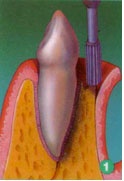
The osseous surgery procedure, also known as periodontal flap, involves several essential steps. First, the periodontist makes an incision in the gum tissue to access the bone and tooth roots. Scaling and root planing are performed to remove bacteria and plaque that have built up in deep pockets.
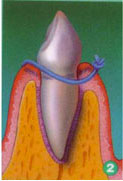
Once cleaning is complete, the periodontist may reshape the bone and tissue to reduce irregularities that harbor bacteria. In some cases, bone grafts or periodontal regeneration techniques are used if the bone is severely damaged. Finally, the gum tissue is sutured back in place for proper healing. Surgery typically takes one to two hours, and recovery time depends on several factors, including the extent of bone loss, oral hygiene, and overall dental health.
Osseous Surgery Steps
How Does Pocket Reduction Surgery Work?
Pocket reduction surgery is a form of osseous surgery used to treat gum disease by minimizing deep pockets where bacteria thrive. These pockets can make it difficult to maintain oral hygiene, even with a professional cleaning. By reducing pocket depth, patients with severe gum disease can improve their oral health and reduce the risk of tooth loss.
During pocket reduction, the gum tissue is gently lifted to expose the underlying bone, and scaling is performed to clean the root surfaces. Tissue and reshaping the bone are essential to eliminate spaces where plaque and bacteria collect. This enhances the effectiveness of the surgery and facilitates patients’ ability to maintain good dental hygiene.
Types of Osseous Surgery
There are different types of osseous surgery depending on the extent of bone loss and gum disease. Some surgeries focus mainly on reshaping the bone around teeth, while others may involve graft procedures to rebuild lost bone and tissue.
- Resective osseous surgery: removes damaged bone and reshapes the bone around affected teeth.
- Regenerative osseous surgery: may recommend bone grafting or other periodontal regeneration techniques when the disease has destroyed the bone around teeth.
Both types aim to restore periodontal health, protect the bone that supports your teeth, and prevent progression of gum disease.
Scaling and Root Planing vs. Osseous Surgery
Scaling and root planing, often referred to as deep cleaning, is typically the initial step in treating gum disease. It removes bacteria and plaque from teeth and gums, reducing inflammation. However, in patients with advanced periodontal disease or advanced gum disease, deep cleaning alone may not be enough.
Osseous surgery is recommended when disease and pockets remain even after scaling. While scaling improves oral hygiene, osseous surgery helps reshape the bone around the teeth and closes deep pockets that cannot heal on their own. Together, scaling and osseous surgery provide a comprehensive solution to treat gum disease and prevent further bone loss.
Recovery and Long-Term Care After Osseous Surgery
After osseous surgery, patients are often prescribed pain medication to manage discomfort. Proper healing requires following your periodontist’s instructions, which may include temporary dietary changes, gentle hygiene practices, and follow-up visits. Recovery time depends on several factors, such as the extent of bone loss, oral hygiene, and the effectiveness of the surgery.
Long-term success relies on good dental hygiene and regular dental checkups. Patients should attend regular dental checkups to prevent disease recurrence. Regular dental care, combined with professional cleaning by a hygienist, helps maintain periodontal health and reduces the risk of future tooth loss. Call (877) 440-3564 to schedule a free consultation and learn more about how osseous surgery can improve your smile and oral health.