
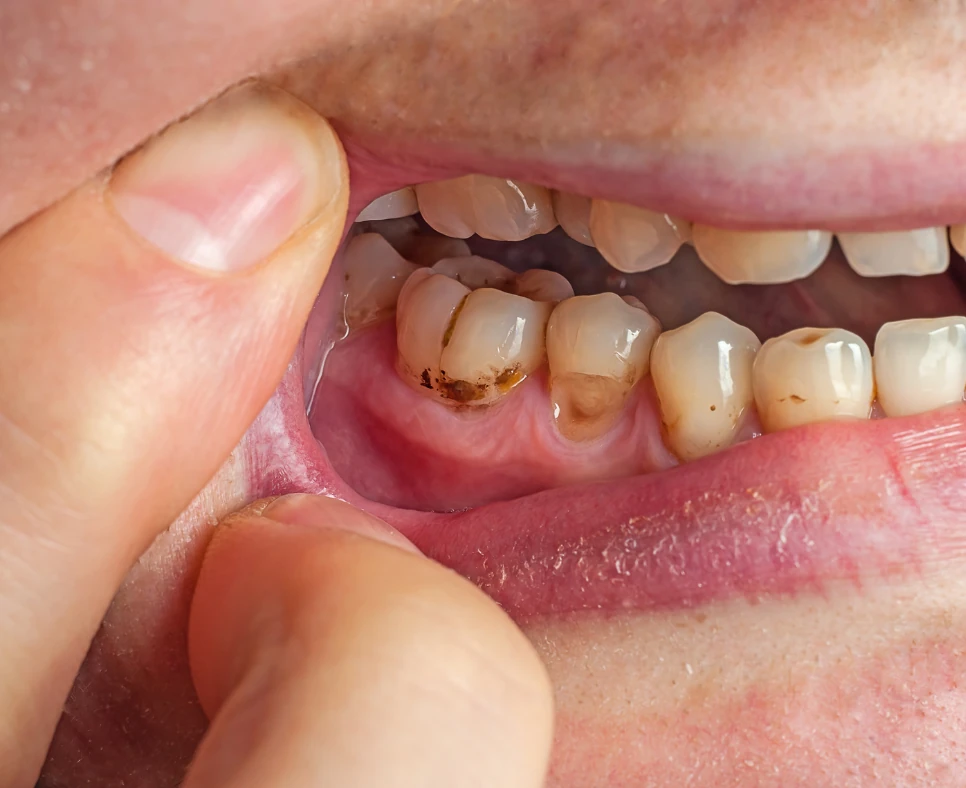
Gumline cavities, also known as tooth decay at the gum line, are a common dental concern that can affect both the teeth and the gums. Decay along the gum line often develops unnoticed, leading to tooth sensitivity, discomfort, and in severe cases, even tooth loss. Understanding how gumline cavities form, recognizing early signs, and knowing how to treat and prevent them is crucial for maintaining a healthy smile. This article covers everything you need to know about cavities near the gumline and practical strategies to protect your oral health.
What Are Gumline Cavities and How Do They Develop?
Gumline cavities are a type of cavity that forms along the gum line where the tooth meets the gum. Unlike surface cavities that affect the chewing surfaces of teeth, gumline decay often begins in areas that are more difficult to clean. These cavities can impact both the enamel and the root of the tooth if the decay progresses.
Plaque accumulation along the gum line is the primary cause of decay. Plaque produces acids that erode enamel and dentin, eventually creating a hole in your tooth. Root cavities may form in areas exposed by gum recession, which are more vulnerable because they lack protective enamel.
Cavities near the gumline often progress slowly and may go unnoticed until tooth sensitivity or visible decay appears. Regular dental checkups and proper oral hygiene are crucial for identifying and treating cavities early.
What Causes Tooth Decay at the Gum Line?
Tooth decay at the gum line develops due to several factors:
- Plaque and tartar buildup along the gum line
- Acidic foods and beverages that erode enamel
- Poor brushing and flossing near the gum tissue
- Untreated gum disease that exposes roots to bacteria
Gum recession increases the risk of decay below the gum line. When gums pull away from teeth, the root is exposed, making it prone to root cavities. Untreated gum disease also contributes to decay and gum complications, further compromising tooth integrity.
Understanding the causes of gumline cavities helps you take preventive steps and maintain healthy teeth and gums.
Are Certain People More Prone to Gumline Cavities?
Some individuals are more prone to cavities near the gumline due to:
- Genetics affects enamel strength and gum health
- Chronic gum disease or untreated periodontal problems
- Dry mouth, which reduces natural saliva protection
- Inconsistent or improper dental care
Patients with gum recession are especially vulnerable. When the root of the tooth is exposed, it is more likely to develop decay. Even those with strong oral hygiene can experience gumline cavities if preventive measures are not consistent.
What Are the Symptoms of Gum Line Decay?
Symptoms of decay at the gum line may include:
- Tooth sensitivity to hot, cold, or sweet foods
- Dark spots or holes along the gum line
- Swelling or tenderness in the gum tissue
- Discomfort while brushing or flossing near the gum
Early signs of decay are often subtle, but if left untreated, gumline cavities can advance to the pulp of your tooth, necessitating root canal treatment or more extensive procedures. Regular dental visits are essential for detecting gumline decay before it progresses.
How Can a Dentist Diagnose Decay at the Gumline?
A dentist can identify gumline cavities through visual examination, probing, and X-rays. Decay often occurs in hard-to-see areas, making X-rays crucial for spotting cavities along or below the gum line.
During an exam, a dentist may check for:
- Small holes or discoloration along the gum line
- Gum tissue inflammation that may contribute to decay
- Patient-reported tooth sensitivity near the gum
Early detection allows dentists to treat cavities before they advance, often using minimally invasive procedures that preserve tooth integrity.
What Are the Most Common Treatment Options for Gumline Cavities?
Treatment depends on the extent of decay and may include:
- Dental fillings: For minor cavities near the gumline, the decay can be removed and the tooth filled.
- Root canal treatment: Necessary if decay reaches the pulp of the tooth.
- Crowns: Used when decay has weakened a significant portion of the tooth.
- Minor gum surgery: May be required to access decay below the gum line or repair damaged gum tissue.
Prompt treatment protects the rest of your teeth and gums from further damage, helping to maintain the integrity of your smile.
How Can You Prevent Tooth Decay Near the Gumline?
Preventing gumline cavities requires consistent dental care and healthy habits:
- Brush twice daily, paying special attention to the gum line
- Floss regularly to remove plaque between teeth and below the gum line
- Use fluoride toothpaste to strengthen tooth enamel
- Maintain regular dental checkups and professional cleanings
- Limit sugary and acidic foods to reduce the risk of decay
Addressing gum recession and untreated gum disease also helps prevent decay below the gum line, keeping your teeth and gums healthy.
Does Gum Recession Increase the Risk of Decay?
Yes, gum recession exposes the root of the tooth, which is more vulnerable to cavities because it lacks the protective enamel found on the crown. Root cavities can develop quickly and may require more extensive treatment than surface cavities. Preventing gum recession through proper oral hygiene and early treatment of gum disease reduces the likelihood of decay near the gumline.
Can Tooth Sensitivity Be a Sign of Gumline Cavities?
Tooth sensitivity along the gum line can indicate early decay. When cavities damage enamel or dentin, nerve endings may become exposed, causing discomfort with temperature changes or when consuming sweet foods.
If you experience tooth sensitivity, it may signal:
- Early gumline decay
- Root exposure from gum recession
- Surface cavities forming near the gumline
Addressing sensitivity early allows dentists to treat the cavity before it advances, potentially saving the tooth.
When Is Minor Gum Surgery Necessary for Treating Decay?
Minor gum surgery may be recommended when decay develops below the gum line or when the gum tissue needs to be reshaped to access the cavity. Procedures can include:
- Flap surgery to expose decay and repair tissue
- Gum grafting to protect tooth roots from further decay
- Treatment of pockets caused by gum disease to prevent future cavities
These procedures ensure gumline cavities are fully treated while maintaining the integrity of your teeth and gums. Following surgery, preventive care is crucial to prevent recurrence.For professional care to treat or prevent cavities near the gumline, schedule an appointment with Laser Smile Solutions: (877) 440-3564.