
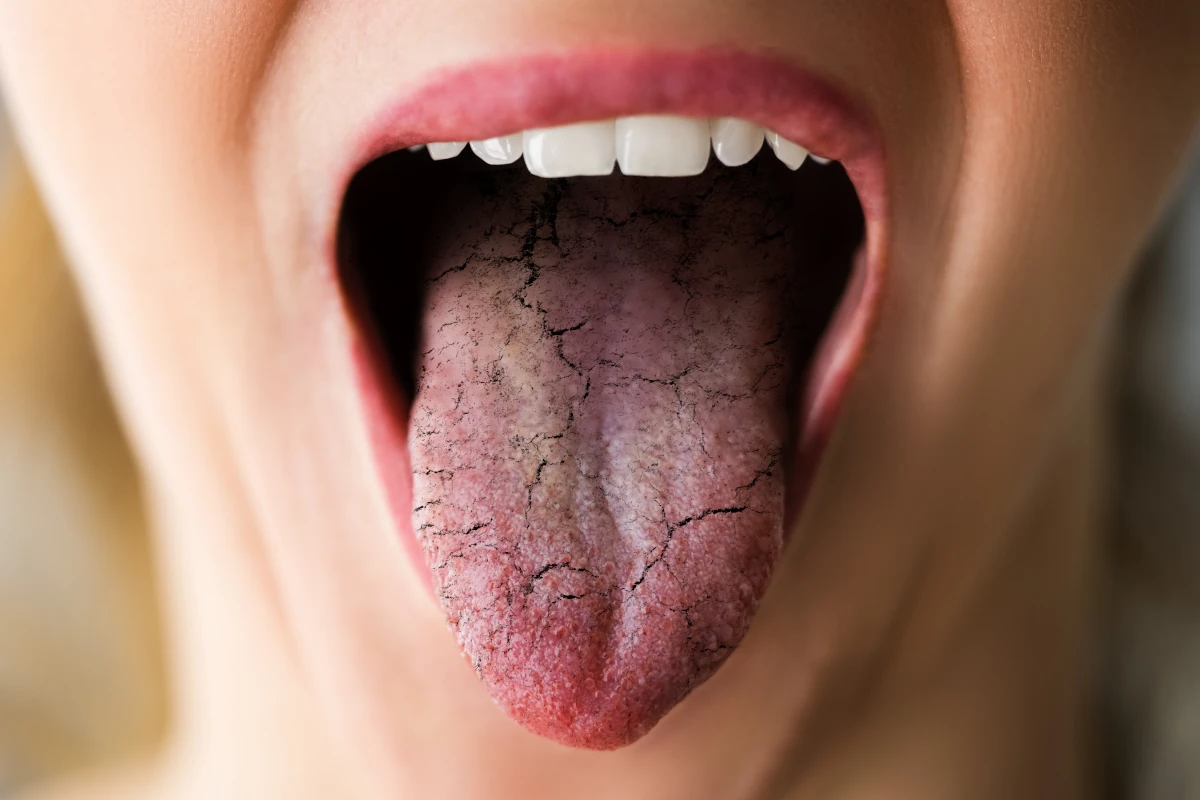
Dry mouth, also called xerostomia, is a condition where the salivary glands in your mouth don’t produce enough saliva to keep the mouth wet and properly lubricated. While occasional dry mouth is common and usually not concerning, chronic dry mouth can significantly impact your oral health, making it difficult to eat, speak, and swallow comfortably. This condition affects millions of people and can lead to serious complications, including tooth decay, gum disease, and infections in the mouth if left untreated. Understanding the symptoms and causes of dry mouth is essential for finding appropriate treatment and maintaining good oral hygiene.
What Is Dry Mouth and Why Does It Matter?
Xerostomia occurs when your salivary glands fail to produce enough saliva to keep your mouth moist and functioning properly. Saliva plays a crucial role in maintaining oral health, extending far beyond simply keeping your mouth comfortable. Saliva helps neutralize acids produced by bacteria, wash away food particles, and provide disease-fighting substances throughout your mouth. When you don’t have enough saliva to keep the mouth functioning optimally, numerous problems can develop.
The flow of saliva is essential for many daily activities we often take for granted. Saliva production helps you chew and swallow food by breaking down starches and lubricating the mouth and throat. It also helps you taste food and protects your teeth and gums from decay and disease. When your mouth is dry and saliva flow is reduced, these protective functions are compromised, leaving you vulnerable to various oral health problems.
Chronic dry mouth differs significantly from the temporary mouth dryness everyone experiences occasionally. A persistently dry mouth that persists throughout the day or persists even after drinking water indicates a more serious condition requiring professional attention. This ongoing lack of moisture can make even talking difficult and significantly impact your quality of life. People who experience dry mouth regularly should consult their doctor or dentist to identify the underlying cause and develop an effective treatment plan.
What Are the Symptoms of Dry Mouth?
Recognizing dry mouth symptoms is the first step toward seeking appropriate treatment. The most obvious sign is a persistent feeling of dryness or stickiness in your mouth, often described as a cottony sensation. You may notice that your tongue feels rough or that your mouth feels dry, even after drinking plenty of water. Some people describe their mouth as feeling like it’s filled with sand, or their tongue sticking to the roof of their mouth.
Difficulty with basic oral functions often accompanies dryness. You might find it challenging to chew, swallow, or speak comfortably. Food may stick to your teeth or the insides of your cheeks, and you might need to drink water constantly while eating to help you swallow. Some people notice their voices become hoarse or develop a sore throat that won’t go away. A dry or grooved tongue is another common symptom, and you may experience changes in your sense of taste or develop a metallic taste in your mouth.
Physical changes in your mouth can also signal xerostomia. Your lips may become cracked and dry, particularly at the corners of your mouth. You might develop mouth sores or notice that your saliva appears thick and stringy rather than clear and fluid. Bad breath that persists despite good oral hygiene is another indicator that your mouth frequently dries out. Some people also experience increased thirst, particularly dry mouth at night, waking up with an extremely dry sensation that requires keeping a glass of water by their bed.
Advanced symptoms of dry mouth include visible changes to oral health. You may notice an increase in tooth decay, particularly at the gum line, where saliva normally provides protection. Gum disease may develop more easily, and you might experience more infections in the mouth, including thrush, a fungal infection that appears as white patches. If you wear dentures, they may not fit properly or may cause irritation because saliva normally helps cushion and hold them in place.
What Causes Dry Mouth?
The causes of dry mouth are varied, and often multiple factors contribute to the condition. Medications are the most common culprit behind xerostomia. Hundreds of prescription and over-the-counter drugs can cause dry mouth as a side effect, including medicine for high blood pressure, antihistamine and decongestant medications, antidepressants, pain medications, and drugs used to treat anxiety and Parkinson’s disease. If your medication is causing dry mouth, it’s important to discuss this with your health care provider rather than stopping the medicine on your own.
Medical treatments can significantly impact saliva production. Radiation therapy directed at the head and neck area for cancer treatment can damage salivary glands, sometimes permanently reducing their ability to produce saliva. Chemotherapy drugs can alter the nature of saliva and how much saliva you produce, though these changes are typically temporary. Patients undergoing treatment for head and neck cancers, oral cancer, thyroid cancer, or brain tumors are particularly vulnerable to developing chronic dry mouth due to their treatment protocols.
Various health conditions can interfere with normal salivary gland function. Sjögren’s syndrome is an autoimmune disorder characterized by dry mouth and dry eyes, in which the immune system attacks the moisture-producing glands. Sjögren’s patients often experience severe and persistent xerostomia that requires ongoing management. Other health problems that can cause dry mouth include diabetes, which affects blood sugar regulation and can impact salivary glands, HIV/AIDS, Parkinson’s disease, and stroke. Alzheimer’s disease may not directly cause dry mouth, but medications used to treat it often do.
Lifestyle factors and habits also contribute to the condition. Dehydration from not drinking enough water is a simple but often overlooked cause. Breathing through your mouth, whether due to nasal congestion or habit, dries out oral tissues. Smoking and tobacco use significantly reduce saliva flow and aggravate dry mouth while damaging overall oral health. Excessive alcohol consumption can lead to dehydration and reduced saliva production. Nerve damage from injury or surgery affecting the head and neck area can also impair the signals that tell the salivary glands to produce saliva.
How Can Cancer and Cancer Treatment Cause Dry Mouth?
Cancer and its treatments are significant causes of dry mouth, with effects that can be both temporary and permanent. Radiation therapy for head and neck cancers, including oral cancer, throat cancer, tongue cancer, and salivary gland tumors, directly damages the salivary glands within the treatment field. The severity of dry mouth depends on the radiation dose and which salivary glands are exposed. Patients receiving radiation for thyroid cancer, lymphoma affecting the neck, or brain tumors may also develop xerostomia if their salivary glands are in the radiation path.
Chemotherapy drugs used to treat various cancers, including breast cancer, lung cancer, leukemia, and colon cancer, can temporarily affect saliva production. While chemotherapy-related dry mouth often improves after treatment ends, some patients experience longer-lasting effects. The drugs can alter both the quantity and quality of saliva, making it thicker and less effective at protecting the mouth. Patients undergoing treatment for ovarian cancer, prostate cancer, or bladder cancer may receive chemotherapy regimens that contribute to dry mouth as a side effect.
Certain targeted cancer therapies and immunotherapy drugs can also cause dry mouth. These newer treatments for melanoma, kidney cancer, and other malignancies can affect the immune system in ways that impact salivary gland function. Additionally, medications used to manage cancer symptoms and side effects, such as pain medications, anti-nausea drugs, and antidepressants for managing the emotional toll of cancer, often list dry mouth as a side effect.
Surgical removal of salivary glands due to tumors, whether benign or malignant, permanently reduces saliva production. Patients who have undergone surgery for salivary gland cancer or who have had glands removed due to chronic infections will experience ongoing dry mouth that requires long-term management strategies.
The impact of cancer treatment on oral health extends beyond discomfort. Cancer patients with dry mouth face an increased risk for tooth decay, gum disease, and oral infections during a time when their immune systems may already be compromised. This makes maintaining good oral hygiene and working closely with both oncology teams and dental professionals essential for preventing complications.
How Does Dry Mouth Affect Your Oral Health?
Dry mouth may seem like a minor inconvenience, but it poses serious risks to your oral health. Without adequate saliva to protect them, your teeth become much more vulnerable to decay. Saliva helps neutralize the acids that bacteria produce after you eat, and it washes away food particles that would otherwise feed these harmful bacteria. When your mouth gets dry, this protective mechanism fails, dramatically increasing your risk for tooth decay. Cavities can develop rapidly in people with chronic dry mouth, particularly at the gum line and on tooth roots.
Gum disease becomes more likely when saliva flow is insufficient. The bacteria that cause periodontal disease thrive in a dry environment where saliva isn’t present to control their growth. People with persistently dry mouth often develop gingivitis that can progress to more severe forms of gum disease if left untreated. The inflammation and infection can eventually lead to gum recession, bone loss, and tooth loss. Reduced saliva production means that even minor mouth infections can become more serious and harder to treat.
Beyond decay and gum disease, dry mouth creates an environment where fungal infections flourish. Oral thrush, caused by an overgrowth of Candida yeast, commonly affects people with xerostomia. This condition appears as white patches on the tongue, inner cheeks, or throat, and can be painful and difficult to eliminate. The lack of saliva also makes it harder for wounds in the mouth to heal, so minor injuries from dental work, accidents, or even biting your cheek can become problematic.
The impact on daily life can be substantial. Difficulty eating affects nutrition, as people may avoid certain foods that are hard to chew or painful to swallow. Speaking clearly becomes challenging, which can affect social interactions and professional life. The persistent discomfort and bad breath associated with dry mouth can impact self-confidence and quality of life. Additionally, people with chronic dry mouth often spend significant amounts on products to help keep their mouth moist and on dental treatments to repair the damage caused by the condition.
What Treatment Options Are Available for Dry Mouth?
Treatment for dry mouth depends primarily on identifying and addressing the underlying cause. If a medication is causing dry mouth, your health care provider may be able to adjust the dosage, switch you to a different medicine, or add a treatment specifically for the xerostomia. Never stop taking prescribed medications without consulting your doctor, as the condition being treated is often more serious than the dry mouth side effect. Your provider may recommend taking your medication at a different time of day to minimize symptoms, particularly if dry mouth at night is problematic.
When the cause cannot be eliminated, treatment for dry mouth focuses on managing symptoms and preventing complications. Your dentist may prescribe medications that stimulate saliva production, such as pilocarpine or cevimeline, which can be particularly effective for people with Sjögren’s syndrome or those who have undergone radiation therapy. These drugs work by activating the remaining functional salivary gland tissue to increase saliva flow.
Over-the-counter products designed to help keep your mouth moist include saliva substitutes and artificial saliva products available as sprays, gels, or lozenges. These products temporarily lubricate your mouth and can provide relief, especially during meals or when speaking. Using a humidifier at night can help keep your mouth wet while you sleep and reduce the severity of symptoms upon waking. Many people find it helpful to keep a glass of water by their bed to sip throughout the night.
Stimulating natural saliva production through simple techniques can provide relief. Chewing sugar-free gum or sucking on sugar-free candy encourages your salivary glands to produce more saliva. The chewing action signals the glands to increase flow, and the flavor provides additional stimulation. Drinking plenty of water throughout the day helps maintain hydration and can help keep your mouth moist, though it doesn’t replace the protective functions of natural saliva.
Your dentist may recommend specific preventive measures to protect your teeth and gums from the effects of dry mouth. Using fluoride toothpaste and a fluoride rinse can help prevent tooth decay by strengthening tooth enamel. Professional fluoride treatments at dental visits provide additional protection. Maintaining good oral hygiene through regular brushing and flossing becomes even more critical when you have dry mouth. Your dentist may suggest more frequent dental cleanings and checkups to monitor for early signs of decay or gum disease and intervene before problems become severe.
How Can I Prevent Complications from Dry Mouth?
Preventing complications due to dry mouth requires a proactive approach to oral care and lifestyle modifications. Establishing excellent oral hygiene habits is your first line of defense. Brush your teeth at least twice daily with fluoride toothpaste, paying particular attention to the gum line, where decay often begins in people with xerostomia. Floss daily to remove food particles and bacteria from between teeth where your toothbrush cannot reach. Consider using an antimicrobial or fluoride mouthwash, but avoid alcohol-based products as these can further dry out your mouth.
Regular dental visits become essential when you have chronic dry mouth. Schedule professional cleanings and examinations at least every six months, or more frequently if your dentist recommends it. Early detection of tooth decay and gum disease allows for less invasive treatment and better outcomes. Your dentist may apply professional fluoride treatments or recommend prescription-strength fluoride products to reduce the risk of cavities. Being proactive about dental care helps prevent the serious complications that can result from untreated dry mouth.
Lifestyle adjustments can help keep your mouth healthy despite reduced saliva production. Stay well-hydrated by drinking water throughout the day, sipping frequently rather than gulping large amounts at once. Limit your intake of caffeine and alcohol, as both can contribute to dehydration. If you smoke, quitting will improve both your saliva production and your overall oral health. Avoid sugary and acidic foods and beverages that promote tooth decay, as your mouth lacks the normal salivary protection against these substances.
Making dietary choices that help stimulate saliva can provide natural relief. Chew sugar-free gum containing xylitol, which not only stimulates saliva flow but also has antibacterial properties that may help prevent tooth decay. Suck on sugar-free lozenges or candies to encourage saliva production throughout the day. Eat crunchy fruits and vegetables, which require more chewing and naturally stimulate your salivary glands. Avoid dry, sticky, or spicy foods that can irritate a dry mouth or be difficult to chew and swallow without adequate saliva.
Environmental modifications can reduce symptoms and help keep your mouth moist. Use a humidifier in your bedroom at night, particularly if you breathe through your mouth while sleeping. Try to breathe through your nose when possible, and address any nasal congestion that forces mouth breathing. Keep water readily available throughout your home and workplace so you can sip frequently. These simple strategies, combined with appropriate medical treatment for dry mouth, can significantly improve your comfort and protect your oral health.
When Should I Seek Professional Help for Dry Mouth?
While occasional dry mouth is normal and usually resolves on its own, certain situations warrant professional evaluation. If you experience dry mouth all the time or for extended periods without an obvious cause, such as temporary dehydration, you should consult your doctor or dentist. Persistent symptoms that last more than a few weeks suggest an underlying condition that needs attention. Dry mouth often signals other health problems or medication side effects that require management.
You should seek immediate professional care if dry mouth makes even talking difficult or significantly interferes with your ability to eat and swallow. If you notice signs of tooth decay, such as new cavities, increased sensitivity, or visible holes in your teeth, schedule a dental appointment promptly. The appearance of white patches in your mouth, persistent sores that don’t heal, or a burning sensation on your tongue all indicate complications that need treatment. These symptoms may signal mouth infections or other serious conditions requiring immediate attention.
If you have been diagnosed with cancer or are undergoing cancer treatment and develop dry mouth as a side effect, inform your healthcare team right away. They can provide strategies and treatments to manage your symptoms and prevent complications during this critical time. Similarly, if you have been diagnosed with an autoimmune condition such as Sjögren’s syndrome or diabetes, regular monitoring of your oral health is essential, and any changes in your dry mouth symptoms should be reported to your health care provider.
Changes in existing symptoms also warrant professional consultation. If your dry mouth suddenly worsens or if treatments that previously helped are no longer effective, discuss this with your provider. Your medication may need adjustment, or you may have developed a new condition causing your symptoms. If you experience dry mouth at night that disrupts your sleep or leaves you waking with an extremely dry sensation despite keeping water by your bed, this level of severity requires professional evaluation to determine the most appropriate treatment approach.
Schedule Your Free Consultation at Laser Smile Solutions
If you’re struggling with dry mouth and its effects on your oral health, the experienced team at Laser Smile Solutions can help. We understand that xerostomia is more than just a minor inconvenience—it’s a condition that can significantly impact your quality of life and lead to serious dental complications if left untreated. Our practice serves patients throughout NYC, NJ, Long Island, and Westchester with comprehensive evaluations and personalized treatment plans designed to address both your symptoms and their underlying causes.
Dry mouth treatment requires a thorough assessment of your overall health, medications, and oral condition. During your consultation, we’ll evaluate the severity of your symptoms, examine your teeth and gums for any damage related to reduced saliva flow, and work with you to develop an effective management strategy. Whether your dry mouth is caused by medications, medical conditions, or cancer treatment, we can recommend appropriate treatments to help keep your mouth moist and protect your oral health.
Don’t let dry mouth compromise your smile or your comfort. Early intervention can prevent the serious complications associated with chronic xerostomia, including tooth decay, gum disease, and oral infections. We offer advanced treatments and practical solutions tailored to your specific needs, helping you maintain a healthy mouth despite reduced saliva production.
Contact Laser Smile Solutions today to schedule your free consultation. Call us at (877) 440-3564 to learn more about our comprehensive approach to treating dry mouth and protecting your oral health. Take control of your symptoms and restore your comfort—we’re here to help you achieve optimal oral health and improve your quality of life.